Getting Started: Your First Ride on the Greenway
Everything you need to know before pedaling the Dungarvan to Waterford route for the first time.
Find the perfect setup for your Dungarvan to Waterford greenway rides — without breaking the bank or your back.
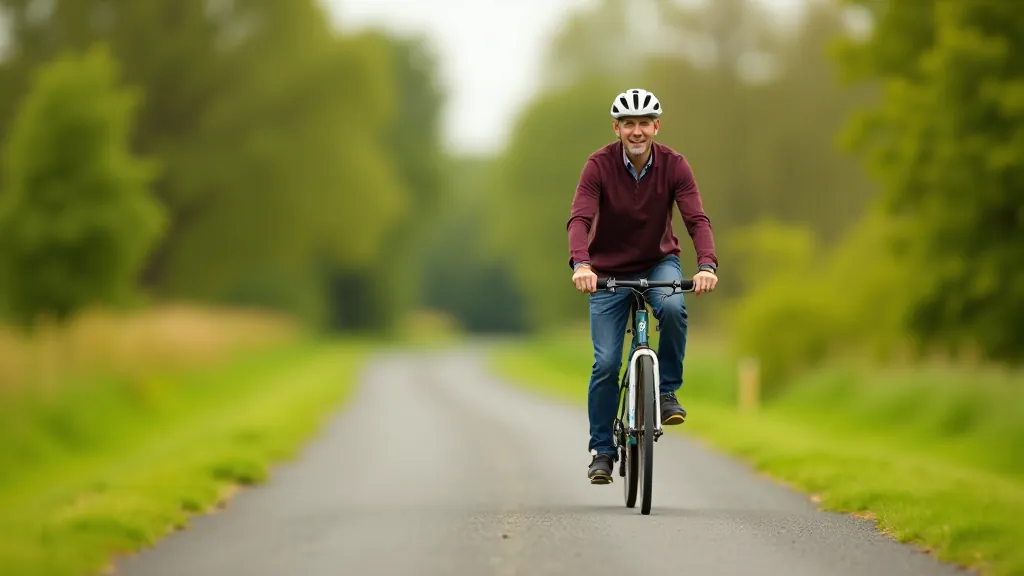

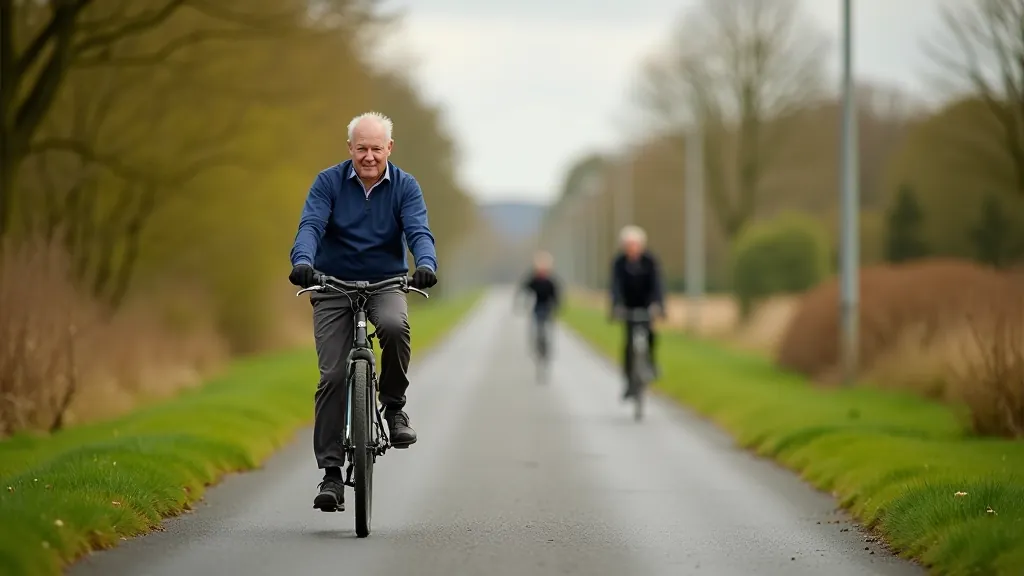
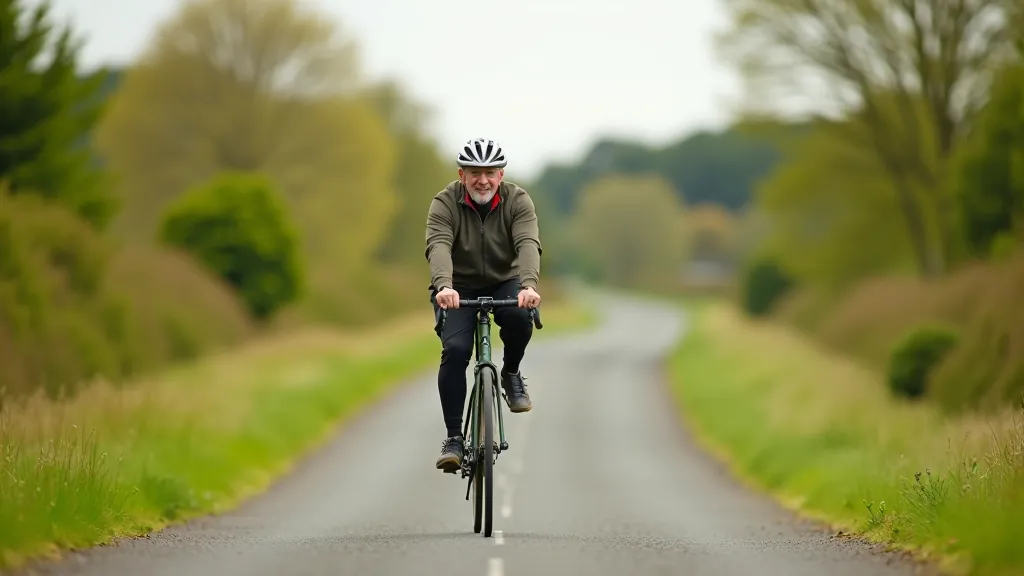
You don't need a fancy racing bike to enjoy the greenway. What you do need is something that fits your body, feels stable, and doesn't leave you sore after 15 kilometers. The right bike changes everything — it's the difference between dreading your next ride and actually looking forward to it.
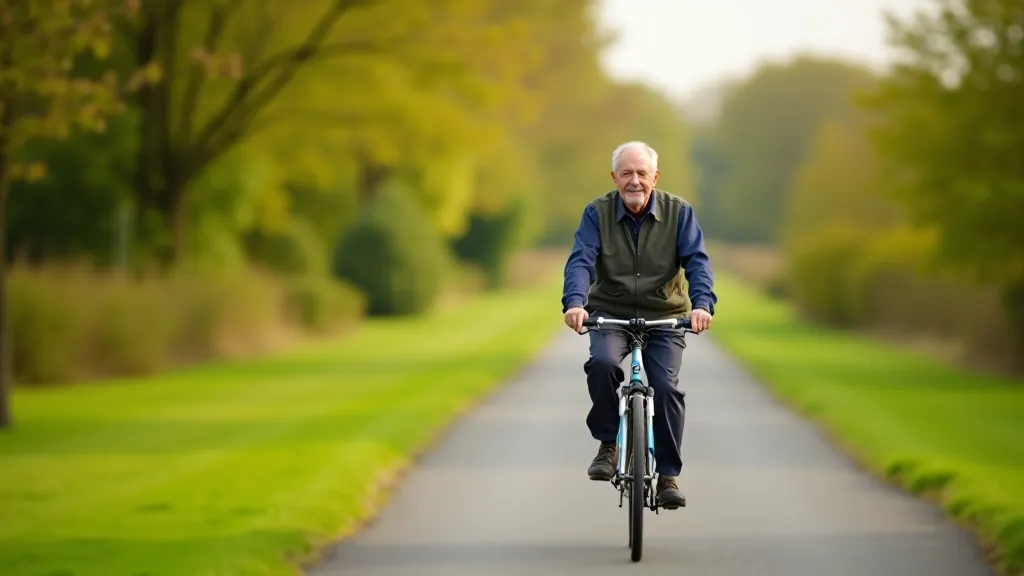
Most people on the Dungarvan to Waterford route ride hybrid or comfort bikes. They're upright, forgiving, and genuinely pleasant for leisurely cycling. We've talked to dozens of riders, and they'll tell you the same thing: comfort beats speed every single time.
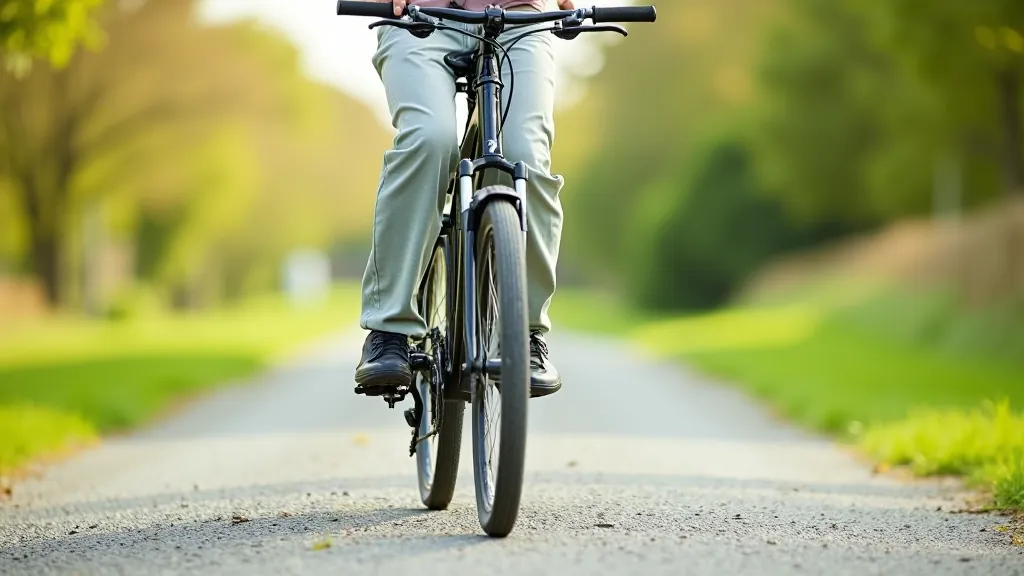
Wide, padded seats designed for upright riding. Your sit bones need support, not a razor blade. Test ride before buying — every backside is different.
Handlebars positioned higher than the saddle. You're sitting up, not bent over. Better visibility, easier breathing, and much less strain on your neck and shoulders.
Medium-width tires with minimal tread. The greenway is paved — you don't need knobby mountain bike tires. Smoother rolling means less effort.
You're not racing, but carrying 30 kilograms feels wrong. A decent hybrid weighs 12–15 kilograms. Lighter bikes are easier to handle and less tiring over distance.
Seat height and handlebar position that you can tweak. Proper fit prevents pain. It takes 10 minutes to adjust, and it makes a massive difference.
V-brakes or disc brakes that respond smoothly. You don't need to squeeze hard. Reliable braking means confident riding, especially on slight descents.
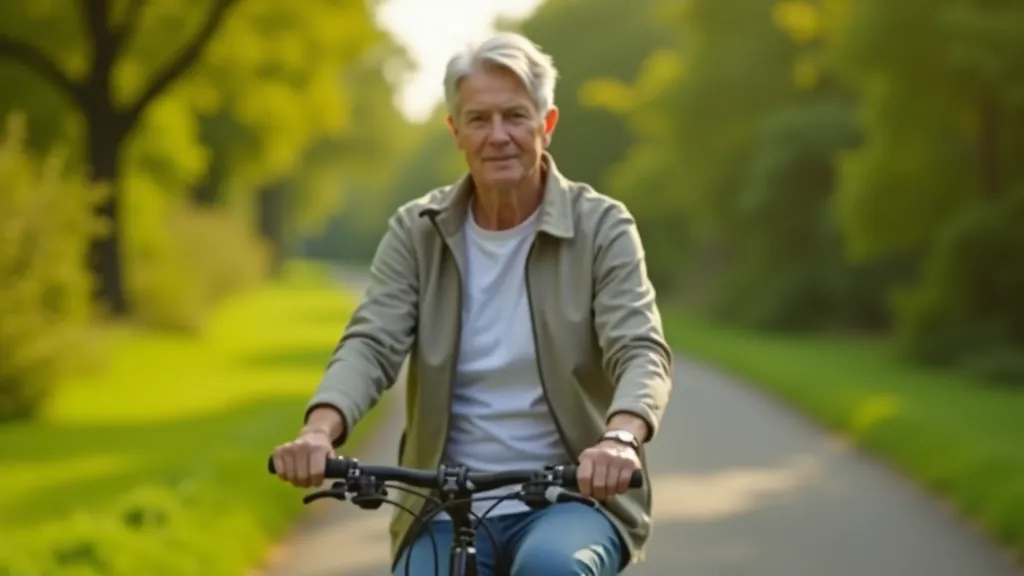
This is non-negotiable. A bike that's too large or too small ruins the experience. You should be able to touch the ground with your toes while sitting on the saddle. Your arms should have a slight bend at the elbows when gripping the handlebars.
Most people fall into the 48–58 centimeter frame size range. But don't guess. Go to a local bike shop and actually sit on different sizes. Spend 15 minutes on each one. Feel how it responds. A good shop will help you get this right, and it's worth the time.
Pro tip: If you're between sizes, choose the smaller one. You can always add a seat post extension or adjust the handlebars. A frame that's too big will always feel awkward.
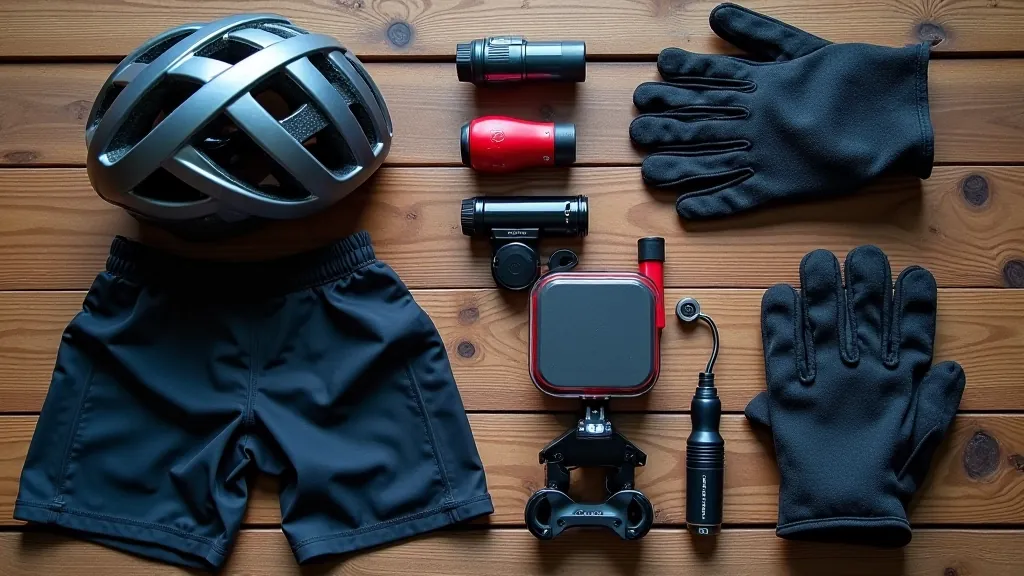
Honestly, don't skip this. Regular shorts bunch up and create pressure points. Cycling shorts with chamois padding keep you comfortable for 20+ kilometer rides. You'll feel the difference immediately.
Padded gloves reduce vibration and protect your hands. Your hands take a lot of impact on longer rides. Quality cycling gloves cost €15–30 and make riding genuinely more pleasant.
Ireland's weather changes. Lightweight waterproof jacket, breathable base layers, and merino wool socks. You'll ride more often if you're not cold or soaked through.
A proper-fitting helmet costs €30–80. It's the most important safety investment you'll make. Wear it every single ride, no exceptions.
A front light and rear light. They're mandatory after dark and make you visible during daytime too. Battery-powered lights are reliable and last for months.
A basic repair kit with a spare inner tube, tire levers, and a hand pump. Most punctures happen on longer rides. You don't need to be a mechanic — these tools get you home.
You don't need to drop €2,000 on a bike to enjoy the greenway. A solid used hybrid or entry-level new bike costs €300–700. That's plenty. Add another €150–300 for basic comfort gear, and you're well-equipped for great rides.
Check local secondhand marketplaces or specialist bike shops that sell refurbished models. Many people buy bikes with enthusiasm, ride them twice, and sell them cheaply. You can find real bargains if you're patient.
The key isn't spending the most. It's spending wisely on things that directly affect comfort: the saddle, handlebars, and your own gear. Those three categories matter infinitely more than the brand name on the frame.
If you're serious about comfortable cycling, consider a professional bike fit. It costs €60–150, and it's worth every euro.
Set so your leg has a slight bend at the bottom of the pedal stroke. Too high causes knee strain. Too low tires your legs quickly.
Should be level with or slightly above the saddle. Your arms need a natural bend, not locked straight or hunched over.
The saddle's horizontal position affects weight distribution. A professional will dial this in so you're balanced, not reaching or slouching.
Your feet should be positioned naturally. Twisted or stressed foot alignment creates knee and hip pain over distance.
A proper fit takes 60–90 minutes. The shop will watch you ride, make adjustments, and explain why each change matters. You'll leave knowing your bike fits you perfectly.
You've probably heard the saying: "The best bike is the one you'll actually ride." It's true. A €1,500 bike in your garage doesn't help you. A €400 bike that feels good and keeps you comfortable? That's the one you'll use.
Take your time choosing. Test different bikes. Talk to other riders on the greenway. Get the fit right. Invest in gear that matters. And then go ride. The Dungarvan to Waterford route is beautiful — you'll want to do it again and again.
Disclaimer: This article is informational and educational in nature. Product recommendations are based on general comfort principles for casual cycling on flat terrain. Individual needs vary — what works for one person may not work for another. Always test bikes before purchasing, consult with local bike shop professionals about proper fit, and follow all local cycling laws and safety guidelines. We're not responsible for purchasing decisions or any discomfort experienced from bikes or gear mentioned here.