Getting Started: Your First Ride on the Greenway
Everything you need to know before pedaling the Dungarvan to Waterford route for the first time.
Stay safe and confident on the Dungarvan to Waterford greenway, whatever the weather brings
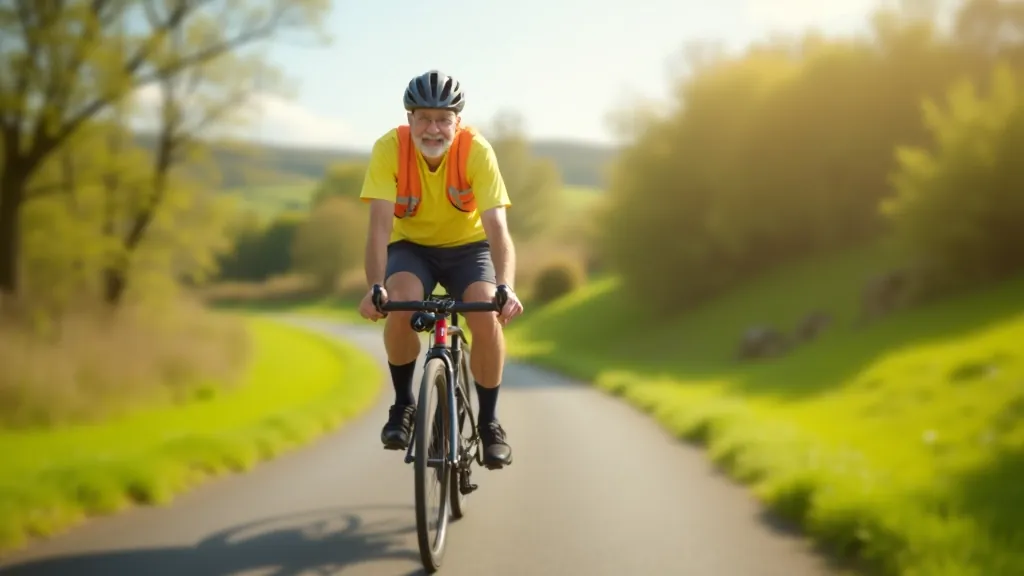

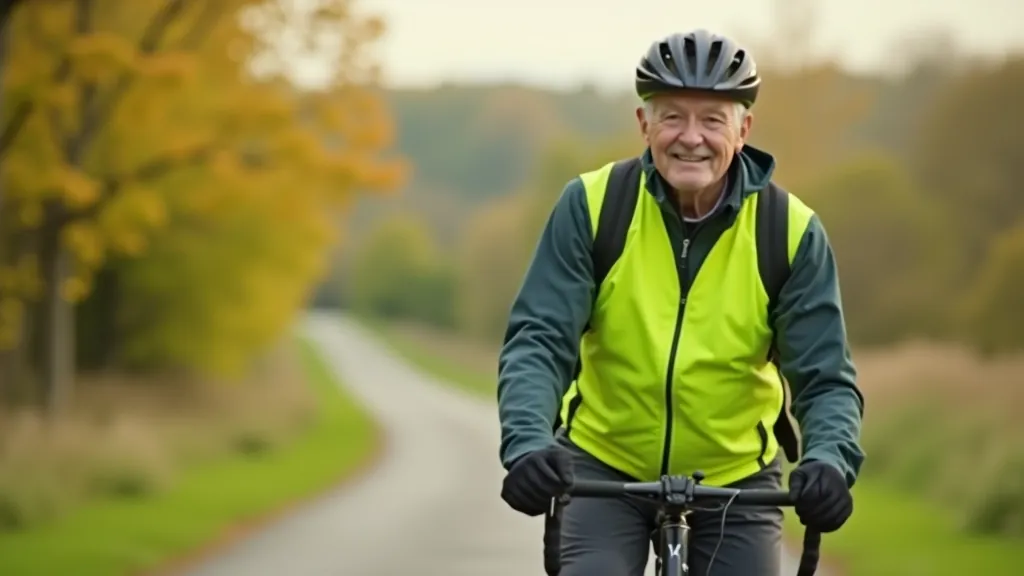
When you're cycling the greenway, you're not racing — you're enjoying a beautiful stretch of Ireland's flat terrain. But that doesn't mean you should skip the basics. A proper helmet is non-negotiable. It's not just about following rules; it's about protecting yourself if you lose balance or encounter an unexpected obstacle.
Most cyclists on the Dungarvan route wear bright, high-visibility jackets or vests. You'll see them in neon yellow, orange, and pink — not because they're trying to stand out fashionably, but because they actually work. On overcast days, which Ireland has plenty of, that visibility makes a real difference to other path users and drivers at crossings.

The Dungarvan to Waterford greenway runs mostly through open terrain, which means you're exposed to weather changes. Rain can roll in quickly — that's just the Irish climate. When wet conditions hit, your grip matters. Check your tire tread before rides; worn tires lose traction fast on wet surfaces.
Wind is another factor riders mention. On the 12-kilometer stretch, there are sections where you're riding along open fields. Strong crosswinds can push you off line if you're not prepared. The key? Stay relaxed on the handlebars. Gripping too tightly makes small wind gusts feel dramatic. Keep your hands loose but controlled, and you'll feel much more stable.
Temperature swings matter too. Early morning rides can feel chilly, but after 20 minutes of cycling, you'll warm up. Many experienced riders on the greenway layer their clothing — start with a light base layer, add a windbreaker, and you can always remove layers if needed. It's better to start slightly cool than to overheat.
Unpredictable but often excellent. You'll get sunny days mixed with sudden showers. Mud can linger on path edges after rain. Ride the center of the path and keep your pace steady.
Most stable season. Longer daylight means early morning and evening rides are comfortable. Heat isn't usually extreme in Ireland, but dehydration's still real. Bring water.
Wet leaves on the path create hidden hazards. They can be slippery like ice. Reduce speed on leaf-covered sections. Days shorten quickly — lights become essential by October.
Frost can freeze the path overnight. Check conditions before riding. The greenway stays relatively clear because it's managed well, but icy patches happen. Go slowly and wear extra layers.
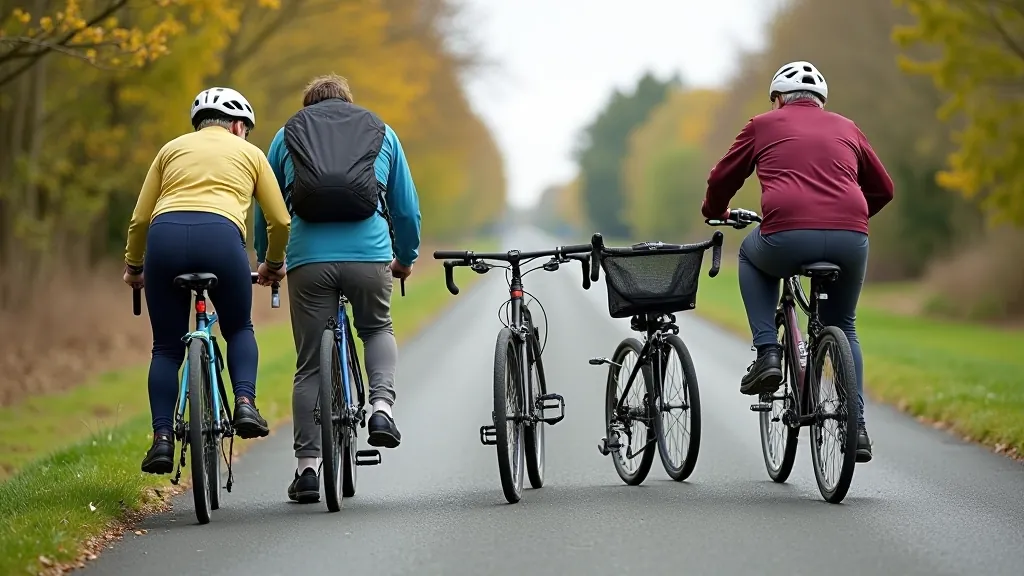
The greenway isn't just for cyclists. You'll share it with pedestrians, runners, dog walkers, and sometimes parents with strollers. That's part of what makes it special — it's a community space. Being aware of others isn't just polite; it's essential for everyone's safety.
Use your bell or horn before passing. A friendly "passing on your left" works just as well. Don't expect people to move immediately — they might not hear you, or they might be lost in thought. Slow down and wait for a safe moment. Most pedestrians appreciate when cyclists announce themselves clearly.
Watch for obstacles. Branches fall, especially after storms. Loose gravel collects in certain spots. On wet days, standing water can hide potholes. Scan the path 10-15 meters ahead. You don't need to obsess over every detail, but staying alert means you'll spot issues before they become problems.
"I've been riding the greenway for three years now. The key is respecting the space and the people using it. Slow down in crowded sections, use your bell, and don't assume everyone sees you. Most issues happen when riders go too fast or don't announce themselves."
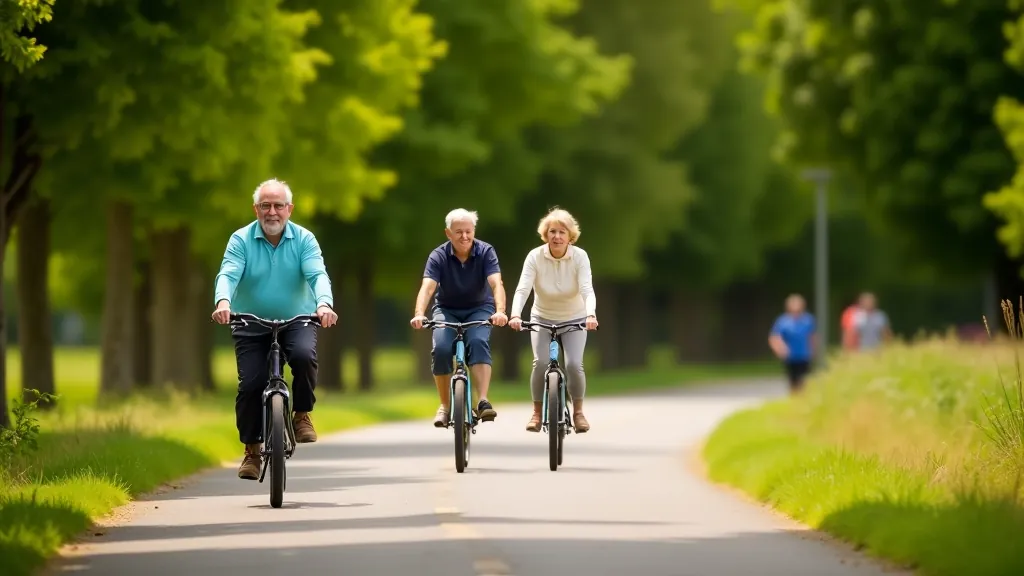
Safety on the Dungarvan to Waterford greenway doesn't require obsessing over every detail. It's about being prepared, staying aware, and respecting the space you're sharing. Wear your gear, check the weather, and adjust your pace accordingly. Most of all, remember that you're riding because you enjoy it — not because you're trying to prove anything.
The greenway is one of Ireland's best cycling resources for leisure riders. It's flat, it's scenic, and it's well-maintained. By following these guidelines and staying present while you ride, you'll have safer, more enjoyable experiences every time you're out there.
This article provides educational information about cycling safety and weather considerations on the Dungarvan to Waterford greenway. It's not a substitute for professional cycling instruction or medical advice. Weather conditions, path conditions, and personal fitness levels vary. Always consult with your doctor before starting a new physical activity, especially if you have existing health concerns. Cycling involves inherent risks — assess your own abilities and adjust your riding accordingly. The information provided reflects general best practices; individual circumstances may differ.