Building Endurance Without Overdoing It
Train smarter, not harder. Discover how to build cycling stamina gradually while staying injury-free on the Greenway.

Building endurance on your bike doesn't mean grinding out hour-long rides every week. That's actually how most people burn out — or worse, injure themselves. We've seen it happen. Someone gets excited, pushes too hard too fast, and suddenly they're nursing a sore knee or lower back pain. Then the bike sits in the shed for months.
Here's the real deal: endurance builds gradually. It's about consistent, smart training that lets your body adapt without constant soreness. You'll feel stronger week by week. And the best part? You'll actually want to get out on the Greenway, not dread it.
Start Where You Actually Are
Most cyclists overestimate their current fitness. You might've ridden 10km once, and now you're planning 25km weekly. That's the trap. The Greenway is flat, which is brilliant for building base fitness, but it doesn't excuse sudden jumps in distance.
Your starting point matters. If you're cycling once a week at 8-10km, your endurance baseline is there. Build from that. Don't add more than 10-15% distance per week. So if you're doing 10km now, next week could be 11-11.5km. It sounds small, but it's how your aerobic system actually adapts. Your heart, lungs, and muscles need time to adjust.
The 10% Rule Works
Increase your weekly distance by no more than 10-15%. This simple principle prevents injuries and keeps your body adapting steadily. Patience isn't boring — it's the foundation of real endurance.
The Pace That Actually Works
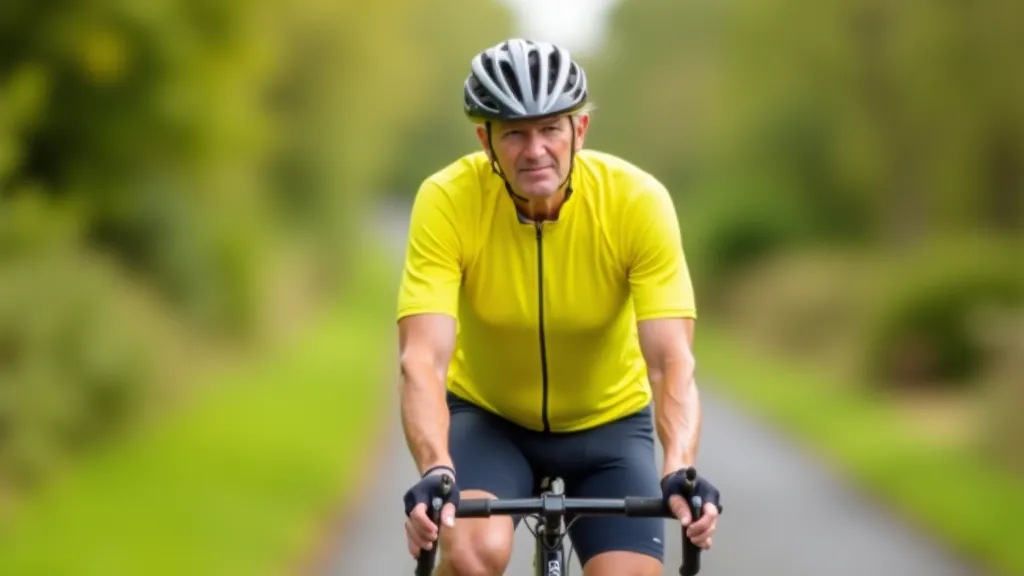
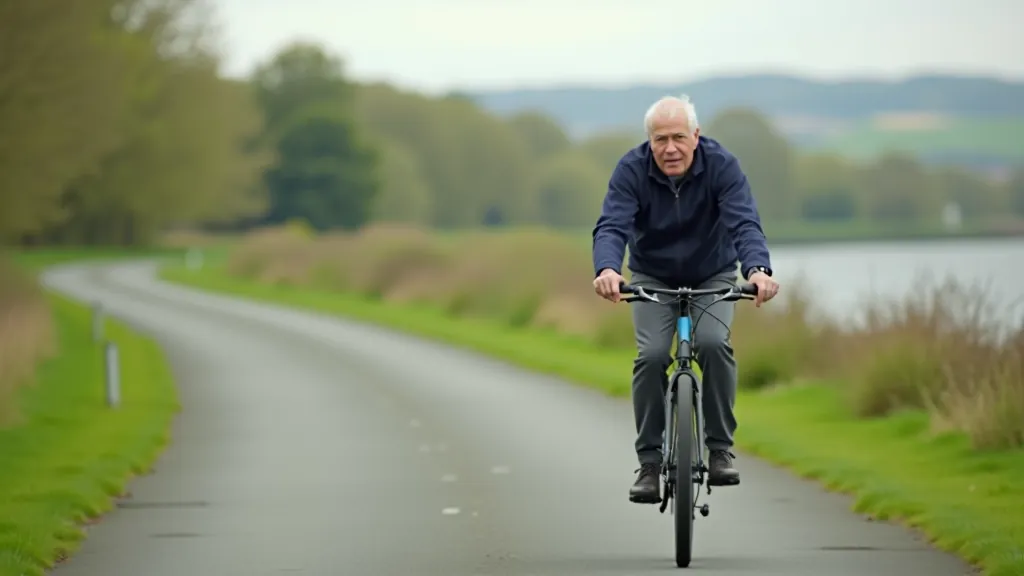
Forget speed. Most people confuse endurance training with speed training, and that's a mistake. You're not training for races. You're training to enjoy longer rides without exhaustion or injury.
The pace that builds real endurance is the one where you can hold a conversation. Not chat easily, not struggle to speak — actually converse. This is roughly 60-70% of your maximum effort. On the flat Greenway, that's maybe 12-16km/h for most riders. You can sustain this for extended periods because you're not maxing out your aerobic system.
Ride at this conversational pace for your main rides. One longer ride per week, increasing gradually. Two shorter rides at the same pace. Your body adapts to the volume, not the intensity. This is how cyclists who've been riding for years can still enjoy the Greenway without constant aches.
Recovery Days Are Training Days
Here's what most people get wrong: you don't build endurance when you're riding. You build it when you're resting. During recovery, your muscles repair, your cardiovascular system strengthens, and your aerobic capacity improves. Skip recovery, and you're just accumulating fatigue.
If you're cycling 3 times a week, two of those days should be easy. One long, one short — both at conversational pace. The third day? Either a complete rest day or a very gentle 20-minute spin. This pattern prevents burnout and keeps your body fresh. You'll notice the difference after 4-6 weeks. Rides feel easier. Your legs have more snap. That's adaptation happening.
- Monday: Rest or 20-minute easy ride
- Wednesday: Moderate 10-15km ride
- Saturday: Long ride (gradually building)
- Other days: Walking, stretching, or rest

Listen to Your Body's Signals
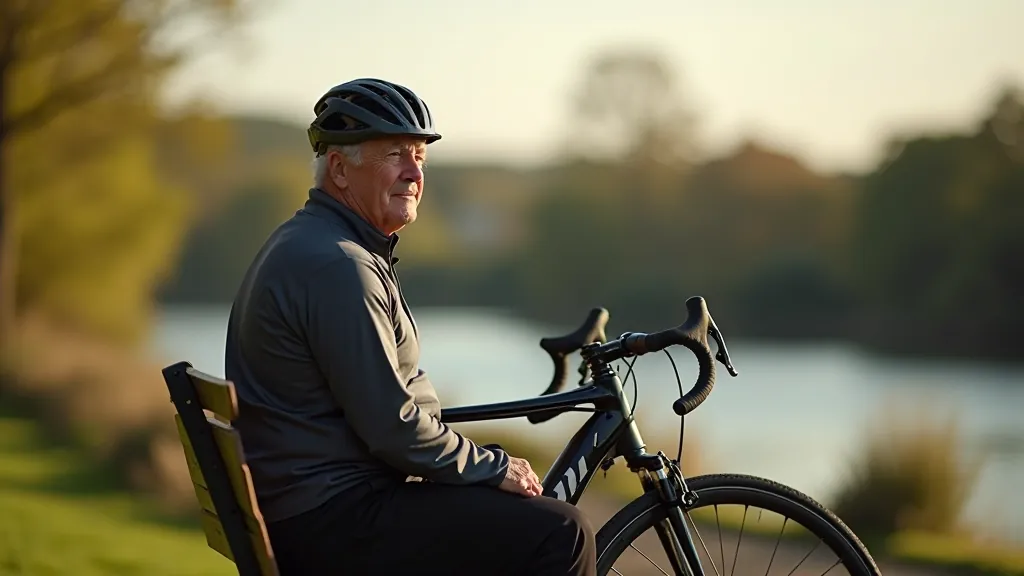
There's a difference between good tired and bad tired. Good tired is the satisfying fatigue after a solid ride — you feel worked but not wrecked. Bad tired is when your legs feel heavy before you even start, or pain lingers for days after.
If you're constantly sore, your joints ache, or you dread getting on the bike, you're overdoing it. Back off. Take an extra rest day. Reduce distance by 20%. This isn't failure — it's being smart. The Greenway will still be there next week. Many riders make the mistake of pushing through discomfort, thinking it's character-building. It's not. It's how injuries happen.
Watch for these signals: sharp pain (stop immediately), persistent soreness (take extra rest), and loss of enthusiasm (reduce intensity). Your body knows what it needs. We're just here to help you listen.
A Realistic 12-Week Build
Here's what gradual, sustainable progress looks like on the Greenway. This isn't a sprint. It's a genuine endurance build that you can maintain.
Weeks 1-4
Foundation
Establish 3 rides per week. Long ride builds from 10km to 14km. Other two rides stay at 8-10km. All at conversational pace. Focus on consistency, not distance.
Weeks 5-8
Building
Long ride grows from 15km to 20km. Short rides stay 10-12km. You're starting to feel the adaptation — hills feel easier, recovery is quicker. Stay disciplined with rest days.
Weeks 9-12
Strength
Long ride reaches 24-28km. You're riding full Greenway sections comfortably. Short rides at 12-15km. Your aerobic base is solid. Enjoyment increases. You're actually choosing to ride more.
The Long View
Building endurance isn't exciting. There's no big moment where you suddenly transform. It's gradual. Incremental. One week you notice you're not as tired. Another week, you realize you're enjoying the ride more than thinking about finishing it. That's the real win.
The Greenway rewards patience. Ride it consistently at your own pace, respect recovery, and listen to what your body needs. In 12 weeks, you'll be riding distances that seemed impossible at the start. Not because you pushed yourself hard, but because you built your fitness properly. That's endurance. And it lasts.
Disclaimer
This article provides educational information about cycling training principles and isn't intended as medical or professional coaching advice. Individual fitness levels, health conditions, and physical capabilities vary significantly. Before starting any new cycling program or training regimen, especially if you have existing health concerns, consult with your healthcare provider or a qualified cycling coach. Listen to your body, progress at your own pace, and seek professional guidance if you experience persistent pain or discomfort while cycling.